Startup Is Not Handover: Commission the Operating Sequence
A practical commissioning plan for Iranian projects that turns owner outcomes, controls logic, failure scenarios, seasonal tests, training, and handover evidence into measurable acceptance gates.
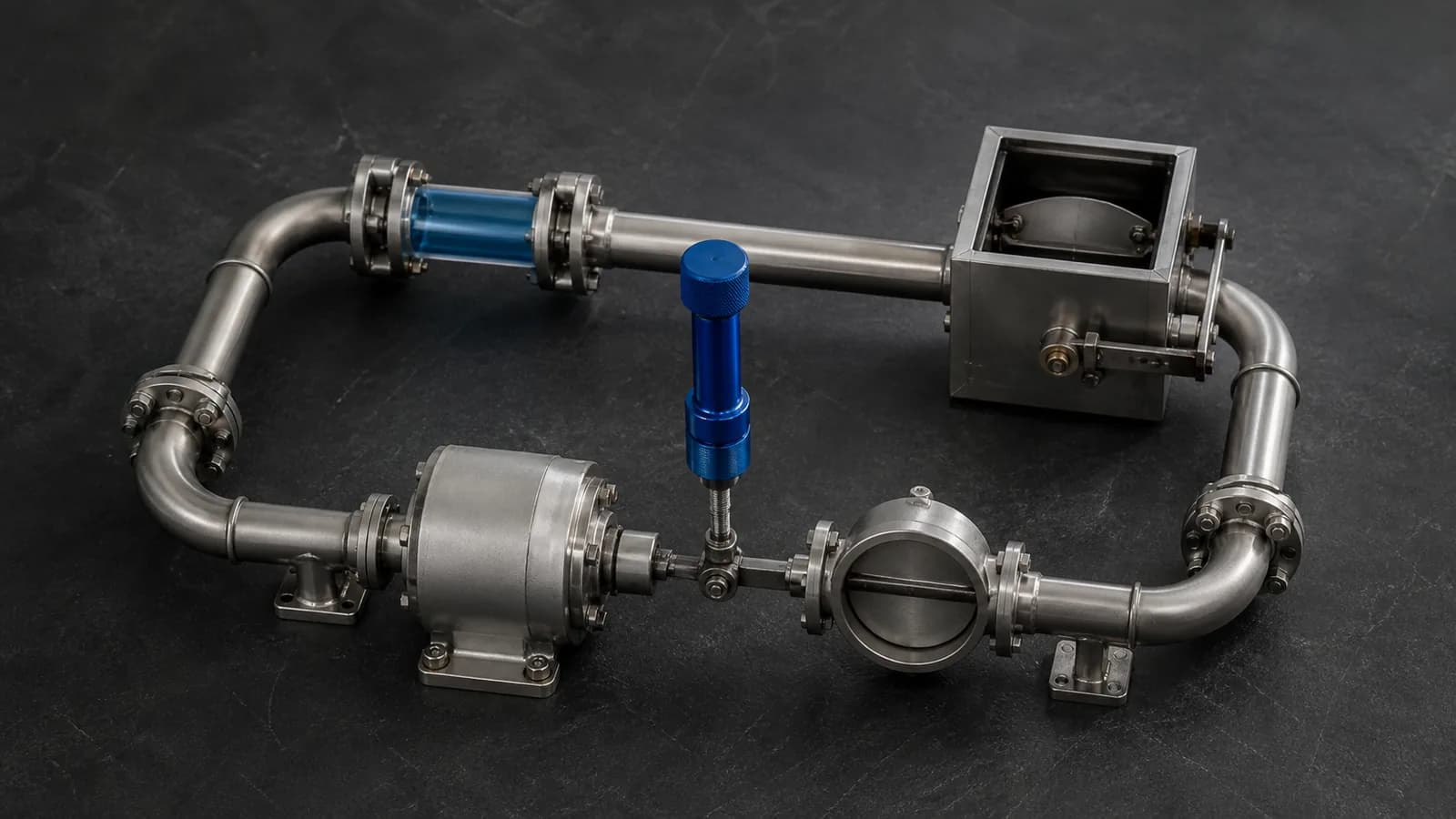
A startup sheet proves motion, not performance
ASHRAE/IES Standard 202-2024 describes commissioning as a process for new buildings and systems, with defined stakeholder roles and a framework for requirements, design documents, procedures, records, reports, and training. CIBSE Commissioning Code M similarly extends the work from briefing and commissionability reviews through pre-functional checks, functional performance tests, integrated systems tests, continuous operational performance tests, operator training, handover, fine-tuning, and seasonal testing. Neither model treats commissioning as a final-day equipment startup ceremony. [1][2]
The management implication is direct: an owner should not accept a cooling plant, building-management system, water system, or essential electrical service merely because each item can be switched on. Acceptance should show that the assembled system detects a condition, makes the intended decision, moves the correct devices, protects itself, reports the event, and returns to a defined safe or normal state. The exact scenarios and limits remain project-specific; life-safety tests require their own approved procedures and competent supervision.
Define the operating outcome before writing the test
The WBDG process places the Owner’s Project Requirements (OPR) at the beginning, followed by the design team’s Basis of Design (BOD), the commissioning plan, specifications, verification, functional testing, the issues log, systems manual, training, and deferred testing. ASHRAE Standard 202-2024 likewise provides the framework for these documents and responsibilities. The OPR is therefore an acceptance basis, not an aspirational preface that can be reverse-engineered after construction. [1][5]
For each commissioned system, write outcomes an operator can observe: occupied temperature or pressure bands; indoor-air or process conditions where relevant; permitted recovery time after a trip; which services must persist on backup power; how alarms are routed and acknowledged; which commands survive a communications loss; and what energy, water, runtime, or fault data must be retained. On an Iranian project, choose only criteria the installed sensors, available controls, maintenance capability, connectivity, and supply chain can sustain. A cloud-only acceptance record is a poor choice where the site needs an offline operating copy.
- State: the initial load, occupancy, weather, equipment availability, and control mode.
- Stimulus: the command, setpoint change, simulated fault, power event, or sensor condition introduced by the test.
- Expected response: device sequence, interlocks, alarm route, timing, tolerance, and safe state.
- Evidence: calibrated instrument, trend interval, screen export, observation, issue record, and named approver.
Make the sequence testable before controls are installed
The U.S. Department of Energy’s Federal Energy Management Program organizes commissioning into plan, investigate, implement, and hand-off/integrate stages. Its investigation stage combines site assessment, functional-test and monitoring plans, result analysis, and a master deficiency list; implementation includes repair, retesting, and remonitoring. CIBSE Code M puts commissionability review, commissioning specifications, programme integration, competent appointments, and test methodology before final handover. These are controls on delivery, not paperwork added after programming is complete. [2][3]
Issue a sequence package for every important system: a plain-language narrative, state or cause-and-effect table, points list, sensor ranges and accuracy, adjustable setpoints, alarm priorities, restart rules, operator overrides, dependencies, and trend requirements. Review it jointly with the designer, controls integrator, equipment suppliers, commissioning lead, contractor, and future operator. Resolve conflicts—such as one vendor expecting a dry contact while another expects a network value—before panels close and access becomes expensive.
Test scenarios, not a collection of components
CIBSE’s active 2022 management code explicitly includes pre-functional tests, functional performance tests, integrated systems tests, continuous operational performance tests, training, and in-use seasonal work. The U.S. federal Real Property Management framework separately defines activities to capture, evaluate, and document deferred or seasonal inspection and testing information against the agreement, and to request corrective action after failures. Together they distinguish installation readiness from documented proof of system behaviour over time. [2][4]
Build a scenario matrix around consequence. For a cooling plant, that may include normal high and part load, loss of one pump or chiller, a drifting or failed sensor, a stuck valve command, a building-controls communications loss, an incoming-power interruption, and controlled restart. Add water-pressure or water-quality alarms where the design depends on them. Test smoke control, fire alarm interfaces, emergency power, and other life-safety functions only under the approved cause-and-effect matrix, governing requirements, responsible engineers, and safety plan. Never create an uncontrolled failure to make a commissioning point.
- Verify prerequisites first: installation, flushing or cleaning, balancing, calibration, safeties, permissions, and test instruments.
- Record initial conditions and time synchronisation so trends from different controllers can be compared.
- Run the written stimulus, observe the complete sequence, and retain raw evidence—not only a signed pass box.
- Classify deviations by consequence, assign an owner and deadline, correct the cause, then retest the affected sequence.
Deferred testing is a contract obligation, not an open footnote
WBDG notes that climate conditions can prevent full testing of heating or cooling systems during construction and that schedule or seasonal constraints may require a preliminary commissioning report. It requires the final report and systems manual to incorporate off-season results and completion evidence. The U.S. federal Real Property Management framework also defines activities for evaluating deferred or seasonal testing against the agreement, documenting results, and obtaining corrective-action plans for failures. [4][5][6]
Do not convert ‘deferred’ into ‘waived’. Before tender, define which tests may move beyond substantial completion, the triggering weather or load condition, who must return, access and data obligations, retest responsibility, notice periods, completion deadline, and the contractual mechanism for unresolved work. Legal and commercial language must be written for the governing contract. The engineering team should separately state what temporary operating restrictions or enhanced monitoring apply until the test closes.
- Preliminary acceptance: list every untested sequence, reason, consequence, temporary control, and accountable party.
- Seasonal window: define a measurable load or ambient condition instead of naming a vague future month.
- Return test: preserve access, software versions, calibrated instruments, trend history, and people needed to reproduce the test.
- Final closure: update the issues log, commissioning report, systems manual, asset records, and operator instructions together.
Handover operating knowledge, not a folder of manuals
ASHRAE Standard 202-2024 includes general requirements for a training programme that supports continued system performance. WBDG assigns the systems manual a wider role than a catalogue of vendor PDFs: it brings together the design and construction history, verification records, commissioning reports, operating information, issues, and future test procedures. WBDG also calls for operators to understand both why the system works as designed and how to control and maintain it. [1][5][6]
Make the operator demonstrate competence on the installed system. Ask the shift team to identify the current mode, change an authorised setpoint, trace an alarm to its cause, place equipment in and out of service, recover from a safe simulated fault, find the approved sequence, and export the relevant trend without vendor assistance. Deliver a searchable offline systems manual in the languages actually used by the operating team, with editable native files, software and backup instructions, approved setpoint register, spare-parts strategy, and named support boundaries.
Pilot one consequential loop and measure closure
Start with one system whose failure would matter: a chilled-water loop, domestic-water pressure zone, critical ventilation system, essential electrical transfer sequence, or process utility. Run the method from OPR and sequence review through prerequisites, test scripts, safe fault scenarios, issue correction, operator demonstration, seasonal follow-up, and final records. A pilot succeeds when another competent person can repeat the test from the retained evidence—not when the original vendor can make the screen turn green.
Use a small commissioning scorecard: percentage of critical sequences with approved scripts; prerequisite completion at first test; first-pass and final-pass rates; median age of high-consequence issues; percentage of sensors with traceable calibration; trend-data completeness; deferred tests closed within their defined window; and operators who pass the practical demonstration. Keep raw counts beside percentages so a small sample does not create false confidence. These metrics measure delivery discipline, not guaranteed energy savings or equipment life.
The point of view is firm: commissioning is the owner’s evidence that design intent survived procurement, installation, controls integration, and handover. Its scope does not transfer design responsibility, replace statutory or manufacturer tests, or override the signed contract. Final scenarios, tolerances, sampling, safety controls, acceptance authority, seasonal obligations, and operating restrictions must follow applicable Iranian requirements, project documents, actual site conditions, and review by the responsible MEP, controls, electrical, fire-safety, and facility professionals.
Sources & further reading
These primary sources support the claims and implementation frameworks used in this field note.
- 1. ANSI/ASHRAE/IES Standard 202-2024 — The Commissioning Process Requirements for New Buildings and New Systems
ASHRAE
- 2. Commissioning Code M — Commissioning management (2022)
Chartered Institution of Building Services Engineers
- 3. Commissioning Process for Federal Facilities
U.S. Department of Energy, Federal Energy Management Program
- 4. Real Property Management — Federal Integrated Business Framework
U.S. General Services Administration
- 5. Building Commissioning: The Process
Whole Building Design Guide, National Institute of Building Sciences
- 6. Commissioning Documents: Process, Contents, and Acceptance
Whole Building Design Guide, National Institute of Building Sciences
Sources were checked on 21 August 2026. Commissioning scope, methods, and acceptance criteria must be set for the project’s use, design, climate, actual site conditions, contract, and governing requirements; this note does not replace safety testing, responsible engineering review, or authority approval.