Pretensioned Bolts: Verify the Assembly Before Installation
A bolt certificate and a calibrated wrench answer different questions. Define a site verification process that connects the delivered assembly, installation crew and accepted connection.
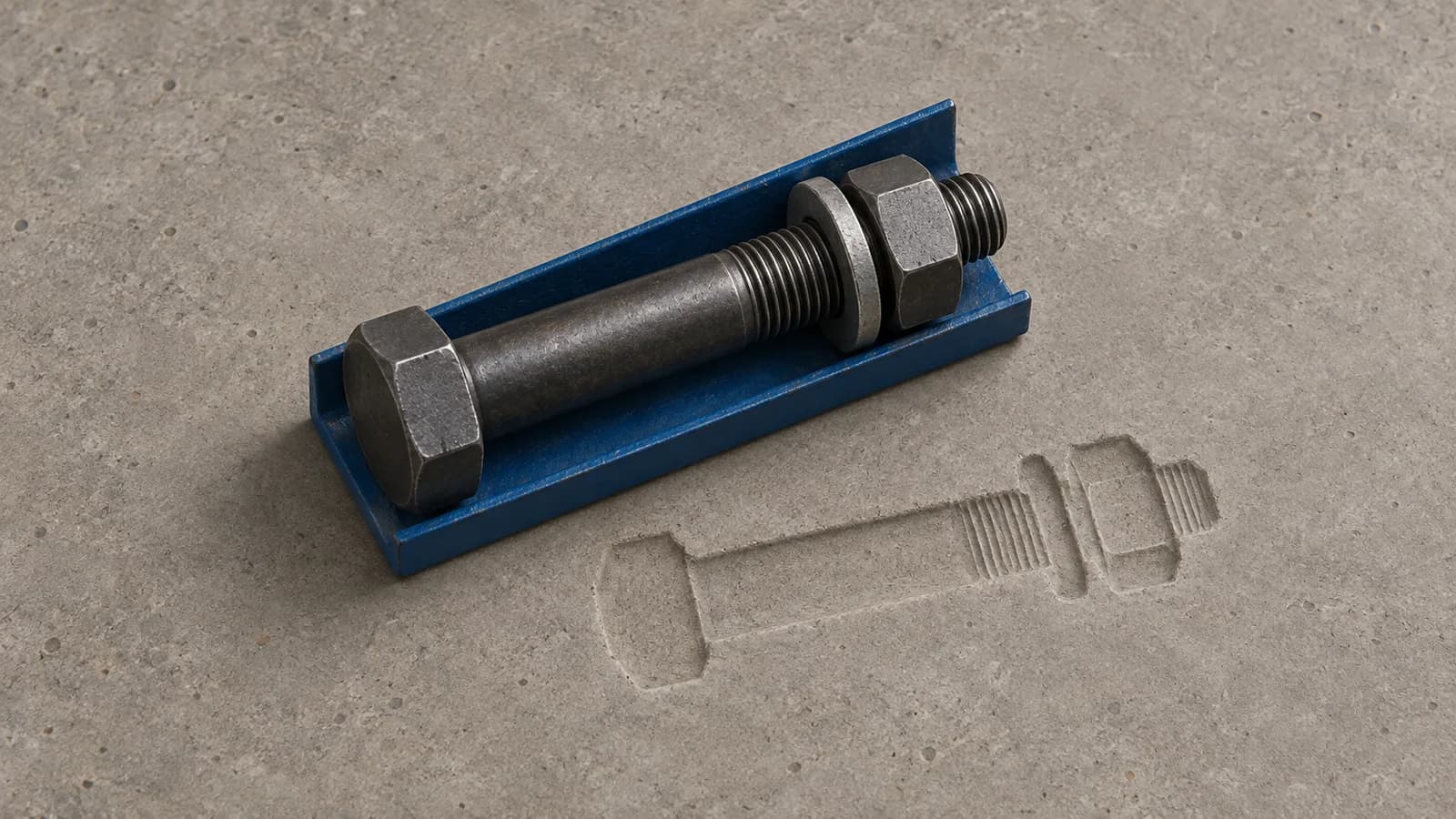
Decide what the connection needs before ordering bolts
ASTM lists F3125/F3125M-26 as active, updated on 31 July 2026. Its public scope covers structural bolts and assemblies and treats inch and metric systems separately. A new product-standard edition is not an automatic project substitution. [1]
OlbrichCo's recommendation is to make installation verification a planned decision before the first permanent connection is assembled. Start with the structural engineer's connection schedule: which joints require pretension, which are slip-critical, and which have a different specified tightening condition? Do not classify a joint from the apparent strength of its bolts or a supplier's preferred installation tool. Resolve missing design information through the project's formal technical-query process.
Record the governing specification and edition, approved assembly, permitted installation method, inspection responsibilities and release authority in one controlled procedure. Ask the engineer to approve the required test criteria, sampling and repeat-test frequency explicitly. Avoid importing a torque table, nut-rotation rule or acceptance tolerance from an unrelated standard. If a contract adopts a particular edition, assess later revisions through change control rather than silently replacing it.
For a project in Iran, the useful starting question is operational: can the specified assemblies, competent installers, suitable verification equipment and witnessing support be available together before erection reaches this connection? This is a planning recommendation, not a claim about national supply conditions or Iranian legal requirements. Seismic design intent, local engineering review, the contract and actual site conditions remain controlling.
Keep the delivery identity intact
FHWA's bolting process review links manufacturer lot numbers to container identification and test reports. It also asks whether enough assemblies have been supplied for preinstallation and field verification, and whether storage prevents contamination and mixed lots. [4]
Turn that evidence chain into a delivery register. Give each approved bolt–nut–washer combination a project reference linked to its original manufacturer identifiers; a convenient site code must not replace them. Record grade, diameter, length, component specifications, finish, delivery date, certificate references and permitted connection locations. Keep the original container information with split quantities. Name the person who can reconcile the register with the physical stock.
Include test assemblies and possible retesting in the procurement quantity and programme. Agree who supplies them, who pays for verification, where testing happens and how rejected stock will be isolated. Ask the supplier to identify compatibility and any restrictions on mixing components or changing lubrication. Treat an unanswered compatibility question as an unresolved procurement item, not permission to combine apparently matching pieces from different deliveries.
Our proposed substitution rule is deliberately simple: a change of assembly specification, component source, lot combination or finish returns to technical review before release. The responsible engineer and approved procedure determine what evidence or repeat testing is necessary. A shortage should trigger that decision early enough to choose a controlled alternative; neither visual similarity nor a matching nominal diameter should close the substitution record.
Verify a working process, not just an instrument
RCSC's 2020 specification uses preinstallation verification to test representative assemblies with the intended pretensioning method in a bolt-tension measuring device. It distinguishes this process from checking individual components' compliance with their product standards. [2]
Build a short demonstration brief around the approved method. Identify the sample selection, assembly condition, installation tools, test-device suitability, crew and witness. Have the engineer resolve arrangements for assemblies that cannot fit the available device before the demonstration, rather than improvising an adapter or extrapolating from another size. Obtain the applicable procedure and manufacturer instructions in a form the crew can actually use at the workface.
FHWA's process review separately checks equipment calibration, witnessed verification and the crew's understanding of the written procedure. It asks whether the demonstrated method achieves the required tension and whether that method is subsequently followed in the work. A wrench's calibration certificate alone does not answer all these questions. [4]
For implementation, record actual observations and results against the approved acceptance criteria, including units and the procedure revision. Record failed attempts as well as the accepted demonstration; do not keep only the best result. Stop before production use if the required result is not demonstrated. Testing and tool operation need competent personnel, suitable guarding and a safe work arrangement; this note intentionally supplies no executable torque or rotation values.
Keep fastener condition and joint surfaces under separate control
Steel Construction Info explains that slip-resistant connections depend on both bolt preload and the friction properties of the mating surfaces. It also highlights access for installation equipment. Verifying an assembly does not, by itself, verify the whole connection. [3]
FHWA's inspector checklist calls for correct component identification, rejection of damaged threads and proper contact between connected steel plies before final tightening. It also directs inspectors to the applicable specifications and manufacturer instructions. [5]
In our proposed work pack, separate fastener handling from preparation of the joint's mating surfaces. Define approved storage, issue and return arrangements, and who assesses exposed or contaminated stock. Do not let an instruction to clean a joint become an instruction to strip the fastener's lubricant. Refer any proposed cleaning or relubrication to the governing specification and manufacturer; some assemblies have restrictions that a site-wide lubricant policy must not override. [4]
Walk the first installation location with the installer and inspector. Check safe access, tool clearance, the actual power or air supply and the inspection position. For hot, dusty, humid or intermittently wet workfaces, ask the procedure owner how exposure and delays will be managed. These are site-specific questions to resolve, not assumptions that every Iranian project has the same environment or needs the same protective arrangement.
Inspect the sequence and define when approval stops applying
FHWA's process review addresses observation during installation, not only examination of completed work. It includes checks on snugging, the selected tightening method, changes in fastener condition and method-specific verification. These are useful inspection-planning prompts, not a replacement for current project requirements. [4]
Agree the witness and hold points before the crew mobilises. In the proposed release record, distinguish delivery approval, successful method verification, installation inspection and final connection acceptance. Record the connection reference and the assembly combination used there. A photograph or painted mark should have an identified purpose within the approved inspection method; an unexplained completion mark must not become the sole evidence for accepting a connection.
When an observation or test fails, define the affected scope rather than automatically condemning every delivery or accepting every nearby joint. Quarantine the relevant unused stock and identify installed connections that may share the cause. Ask the responsible engineer for disposition and reinspection requirements. Do not loosen, retighten or replace installed bolts casually: follow an approved correction plan that also addresses erection stability and temporary support.
Treat the release as conditional. Ask the procedure owner to specify review triggers for changed lots, equipment, crew competence, exposure, lubrication condition or prolonged delay. Include the mandatory repeat checks required by the governing method, even where nothing appears to have changed. Put a visible stop status against unresolved items so that the next shift cannot mistake a previous successful demonstration for an unlimited approval.
Measure control of the process, not the number of painted bolts
Use a small set of proposed management measures: the proportion of installed connections traceable to approved assembly combinations; the proportion with complete inspection records; verification attempts accepted at first presentation; and elapsed time to close failed verification or inspection items. Define each numerator, denominator, reporting period and responsible owner. Set project targets before starting; this article offers no claimed improvement rate or numerical return on investment.
Report held work separately from accepted work. Record replacement assemblies, repeat visits and lost access time against the relevant cause, so that the team can distinguish supply issues from procedure, equipment or execution issues. An improving first-pass result is useful only if sampling and acceptance remain unchanged. Do not reward a lower defect count achieved by doing fewer checks or removing failed attempts from the record.
For intermittent site connectivity, propose a numbered paper or offline register with controlled revision, named signatures and a defined upload owner. Keep original results, certificate references, location mapping, photographs where useful and signed dispositions together. Reconcile offline and digital versions before handover. A sophisticated platform is optional; the ability to retrieve the evidence for a specific connection is the practical acceptance test for the record system.
Start with one representative connection family and its actual delivery, while meeting every contractual requirement for the remaining work. Review the demonstration, first installation and evidence retrieval with the engineer, contractor and inspector before expanding the workflow. The intended outcome is a defensible chain from specified joint to delivered assembly to observed installation—not a claim that the verification test alone proves structural adequacy, seismic performance or long-term durability.
Sources & further reading
These primary sources support the claims and implementation frameworks used in this field note.
- 1. ASTM F3125/F3125M-26 — public scope and active revision listing
ASTM International
- 2. Specification for Structural Joints Using High-Strength Bolts (2020), Section 7
Research Council on Structural Connections (RCSC)
- 3. Preloaded Bolting for Bridge Steelwork
Steel Construction Info / Steel Construction Institute (SCI)
- 4. Structural Steel Bolting Process Review — office and project checklists
Federal Highway Administration (FHWA)
- 5. High Strength Bolts Inspector's Checklist
Federal Highway Administration (FHWA)
Sources checked on 14 September 2026. ASTM is cited only for its public 2026 scope and revision listing, not unseen paid clauses. RCSC 2020 and the FHWA checklists (updated in 2017) are international references, not Iranian requirements. Numbered paragraphs identify sourced evidence; the remaining workflow and metrics are OlbrichCo proposals for project review. Governing contracts, applicable codes, the structural engineer and site conditions control. The cover is a conceptual material study, not an installation detail.